
Discover 5 unforgettable ways to experience the Trans Canada Trail in winter, from snowshoeing and fat biking to cross-country skiing in Ontario.
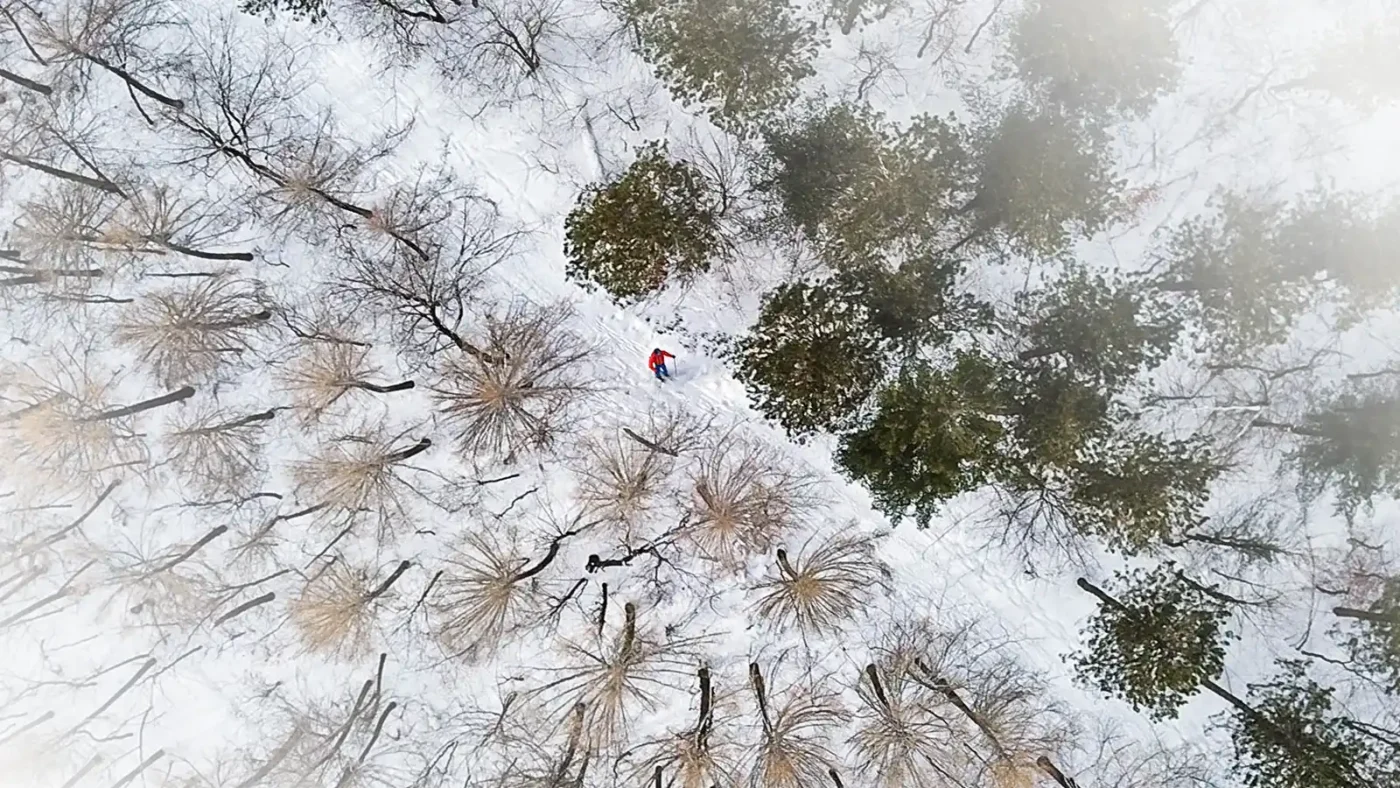
Winter in Ontario tends to separate people into two camps.
There are those who hide indoors the moment the first snowflakes flutter down from the skyand there are those who take that first flurry as an invitation to dive into adventure. This article is for those who find themselves in the latter. This is an invitation to lace up your boots, zip up your parkas, and step into five incredible outdoor experiences that may just change the way you experience winter for the rest of your lives.
That invitation is coming straight to you from the Trans Canada Trail.
Stretching from coast to coast across Canada, weaving through forests, farmland, waterfronts, and urban corridors, the Trans Canada Trail is one of the most brilliant investments into Canadian outdoor culture. nearly 30,000 kilometres of multi-use trails, popular in the summer for cycling, running, hiking, scootering, strolling, and everything in between.
This weaving network of trails doesn’t simply connect destinations; it connects Ontarians and Canadians. In fact, over 80% of Canadians live just 30 minutes away from a section of the Trans Canada Trail.
But here’s a little secret. These trails aren’t just three-season wonders. During winter in Ontario, the Trans Canada Trail transforms into a winter playground. The gravel and asphalt become buried in snow, and for those willing to embrace the season, the trail offers up a ribbon of possibility connecting communities and reminding all Ontarians that adventure doesn’t require a plane ticket. It just asks for a little curiosity and a willingness to try something new.
Here are five ways that you can experience the Trans Canada Trail this winter, and why each one reveals something powerful about Ontario.
1. Snowshoeing On The Trans Canada Trail: Slow Down To See More
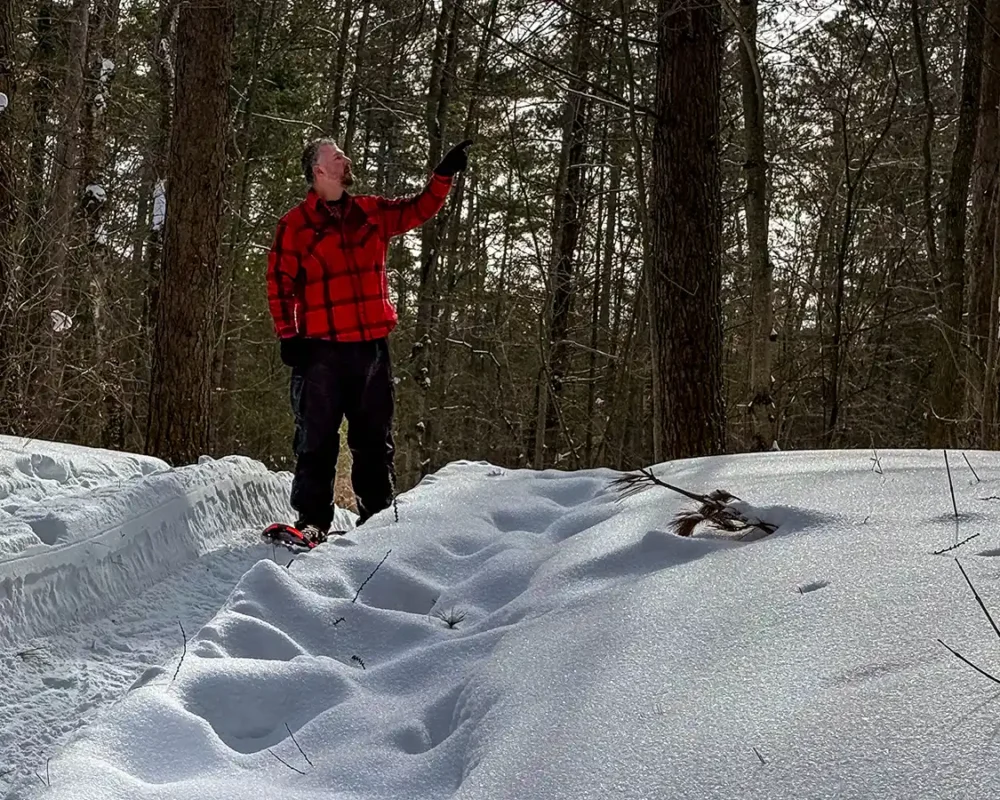
If you’ve never strapped on a pair of snowshoes, you quickly realize that it’s a lot easier than it looks, and far more magical than you might expect.
Snowshoeing along the Trans Canada Trail in winter is really about immersion. You step off the packed path, into fresh powder, and suddenly the world goes quiet. Your breath mists in the cold air. The snow crunches beneath your feet, and your steps become a hypnotic rhythm. Wildlife tracks from deer, coyotes, squirrels, and rabbits cross the trail like signatures left overnight. Even in big cities like Toronto, there are incredible snowshoeing escapes.
Across Ontario, sections of the trail wind through conservation areas, forest corridors, and rural stretches where snow piles high and clean. Snowshoeing lets you explore terrain along the trail that would otherwise be inaccessible in the depths of winter.
And when you’re done? That nearby small town café tastes like victory. Perfect for a latte or a hot chocolate.
2. Winter Hiking In Ontario: Crisp Air, Clear Views, Endless Options
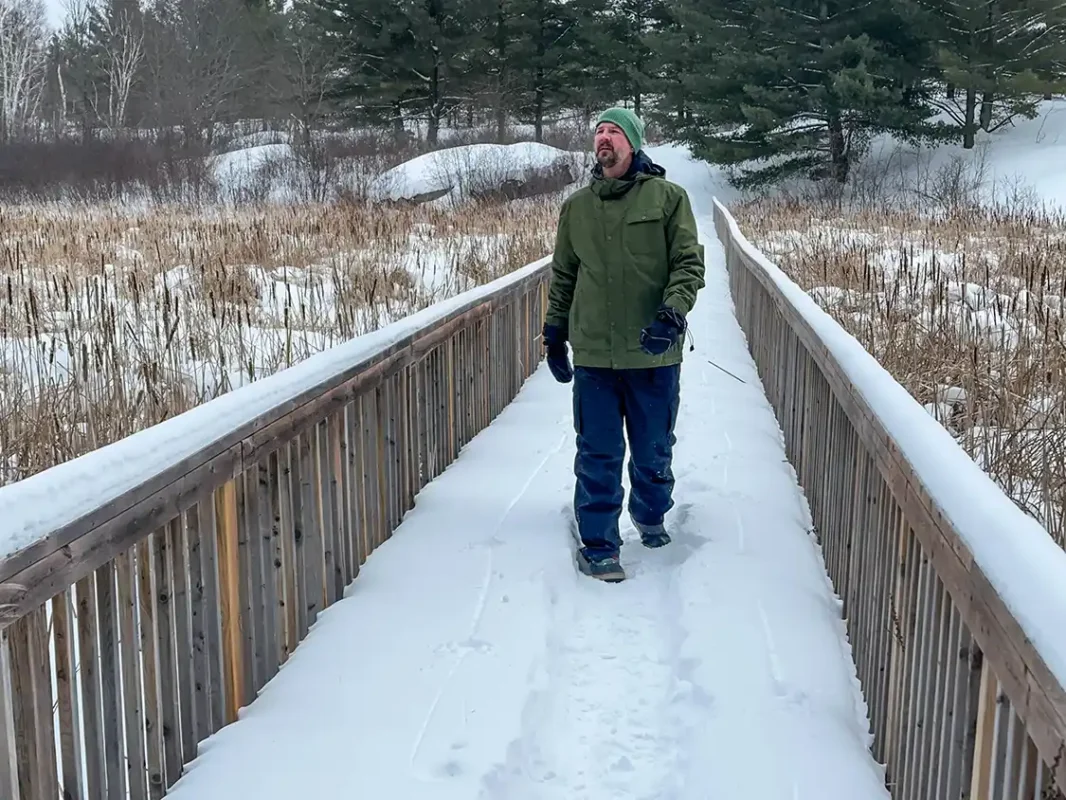
There’s a misconception that hiking is a three-season activity. I’d argue that winter hiking in Ontario might be the best version of it.
On maintained portions of the Trans Canada Trail, especially rail trails and urban connectors, winter hiking is accessible and deeply rewarding. Snow-covered fields open up vistas that the summer foliage keeps hidden. Frozen lakes shimmer in the sunshine. The air feels sharper, cleaner, and more refreshing.
The best part about winter hiking in Ontario is that you don’t need specialized gear. A good pair of winter boots layers that you can add if the mercury drops, or take off as the temperature soars. Most importantly, is a respect for the conditions. Checking local trail updates and keeping others informed of your activities is key.
The beauty of the Trans Canada Trail in winter is that it stitches together diverse landscapes. One weekend, you’re hiking along the Toronto waterfront, iconic skylines soaring over your shoulder. Next, you’re wandering through rural farmland under a sky so blue it almost feels theatrical.
3. Fat Biking Ontario: Ride The Snow
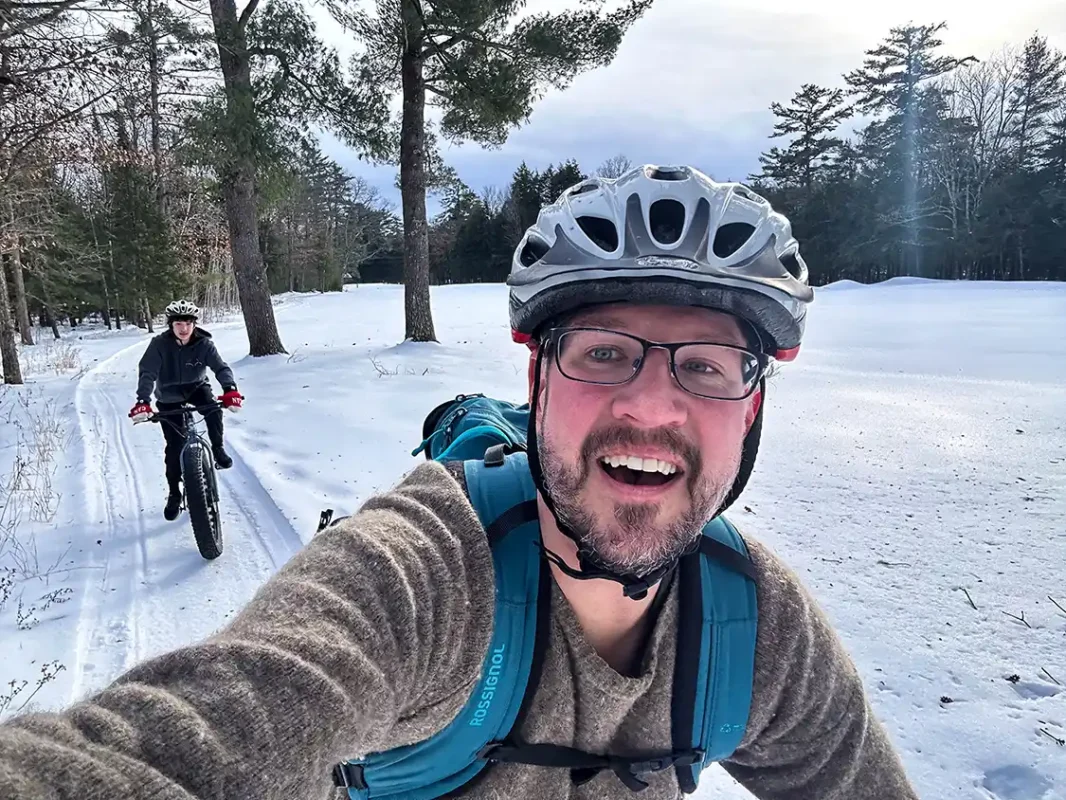
The first time I saw someone riding a bike through snow, I assumed it was a dare. Then I tried fat biking for the first time while I was exploring winter experiences in North Bay.
Fat bikes, basically mountain bikes fitted with oversized tires, don’t dig into the snow and get stuck. They float across packed snow like pedal-powered tanks. On sections of the Trans Canada Trail where winter grooming occurs or where snow compacts naturally (often thanks to crowds of snowshoers and hikers), fat biking offers an exhilarating way to cover ground quickly.
This is the perfect way to experience the real magic of the Trans Canada Trail, those long stretches between communities that showcase how this trail network actually connects the province and the country.
Pedalling through forest corridors, tires pulling at the snow. The cold air stings your cheeks. You feel like a kid again, but with a deeper appreciation for thermal underwear.
More and more Ontario communities are embracing fat biking culture, and the Trans Canada Trail acts like a connective tissue between them. A living, breathing, and growing organism.
5. Winter Wildlife Tracking & Photography: See Ontario Differently
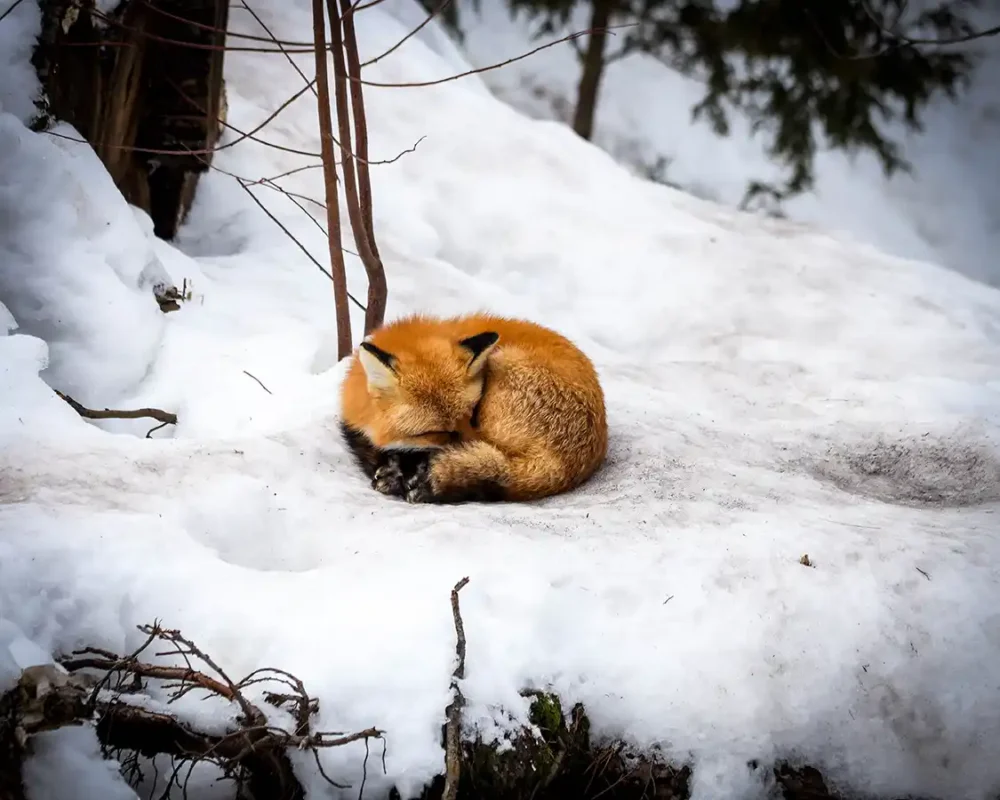
Not every Trans Canada Trail experience is focused on motion. Sometimes, choosing the right spot and staying still and quiet can open up one of the coolest winter activities along the Trans Canada Trail.
For wildlife tracking and photography along the Trans Canada Trail, all you need is a camera or a spotting scope. Once you look closely, you’ll find animal tracks standing out against a white canvas. Fox, deer, rabbit, and winter birds like snowy owls, blue jays, and cardinals, their movements etched clearly in the snow and trees.
It’s not just wildlife that makes the scenery and landscapes along the Trans Canada Trail stand out. Ice formations hang from bridges and culverts. Sunrises burn pink against frost-covered trees. Snow crystals cling to the edge of pine needles, sparkling against the sunlight.
Walking sections of the trail with the specific intention of observing and photographing winter wildlife adds an entirely new dimension to your outing. It slows you down. It makes you attentive, and it opens your eyes to just how much beauty lies throughout Ontario.
It also reinforces something essential: these spaces belong to more than us. The Trans Canada Trail is far more than a simple recreation corridor. It’s a lifeblood for our country that combines habitats, ecosystems, and nearly 30,000 kilometres of shared ground.
Approaching it with respect by staying on designated routes, minimizing disturbance, packing out everything you bring in (and maybe a little bit more for good measure), ensures it remains wild and accessible for generations.
Why The Trans Canada Trail Matters In Winter
The Trans Canada Trail connects urban and rural life throughout Ontario and the rest of Canada. A quick look at the TCT map (you can find that here), and you’ll see that this trail runs from North to South and East to West throughout the province. There are southern trails through Windsor and Leamington, up through Toronto and Ottawa, and up north through Thunder Bay and Quetico Provincial Park.
Along the trail is an ever-changing filmstrip of life in Ontario. Waterfront and farmland, escarpments and waterfalls, small towns and big cities. It invites Ontarians of every background and ability level to step outside and experience their province from a new angle.
In winter, when daylight shrinks and isolation can creep in, the Trans Canada Trail becomes more than an outdoor trail. It can feel like mental health support. Community glue. A quiet tap on the shoulder telling us that life in this province is still alive and waiting.
And let’s not ignore the ripple effects.
When you head out for a winter adventure along the Trans Canada Trail, you’re not just exercising. Youmight stop at a local bakery near the trail. Those seeking longer adventures might book a night at a small-town inn or discover a restaurant, brewery, or winery that gets you coming back for more. All the while, you’re supporting Ontario businesses that stay open year-round.
Outdoor culture in Ontario sustains local culture.
Practical Tips For Experiencing The Trans Canada Trail In Winter
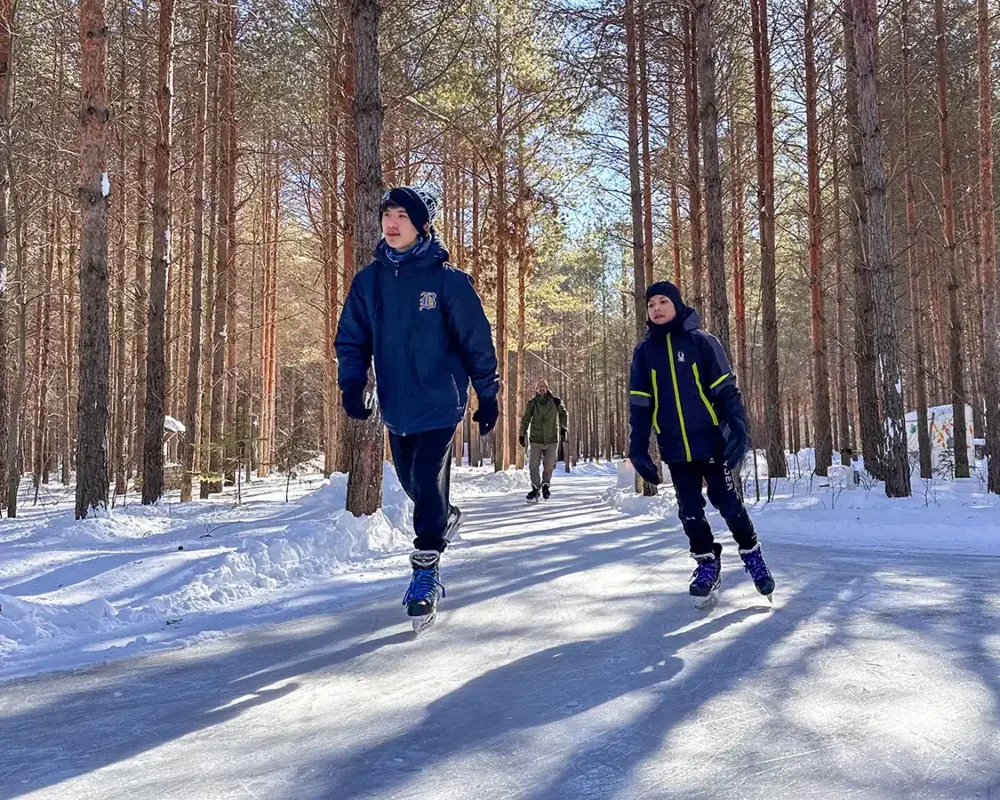
The Trans Canada Trail is open, accessible, and vast. But, before you head out, keep a few key things in mind:
- Check local trail conditions. Not all sections are maintained year-round.
- Dress in layers. Moisture-wicking base, insulating mid-layer, windproof outer shell.
- Respect shared-use etiquette. Yield appropriately depending on activity.
- Bring traction aids like crampons for hiking on icy sections.
- Pack water and snacks, even for shorter outings.
A Final Word On Ontario Winter Adventures along the Trans Canada Trail
I’ve travelled widely, across Canada, and I’ve chased adventure across continents. Yet, some of the most grounding experiences I’ve had have been here, in Ontario, walking, skiing, riding along the Trans Canada Trail in winter.
It’s an experience that makes you feel grateful for hot drinks and warm conversations afterward. Allowing you to feel connected, not just to the landscape, but to your community.
Disclosure: Some of these experiences were supported by Trans Canada Trail. All opinions remain my own.
You May Also Like To Read:



Kevin Wagar is a founder and editor of Ultimate Ontario. He has been working in the travel media industry since 2015 when he founded his family travel website Wandering Wagars – Adventure Family Travel.
Over the years Kevin has developed a deep love for his home province of Ontario and aims to showcase the incredible experiences and amazing small businesses found within it.